Automotive News
What Is PDI in Car Buying and How to Do It Properly?
Buying a New Car? Do Not Skip PDI
Buying a new car is a special moment for any buyer. After spending time researching different models, comparing features, arranging finances and waiting for delivery, most people are excited to take the keys and drive their new vehicle home. In this excitement, many buyers focus only on the paperwork and delivery process while overlooking one of the most important steps before taking ownership of the car – the Pre-Delivery Inspection (PDI).
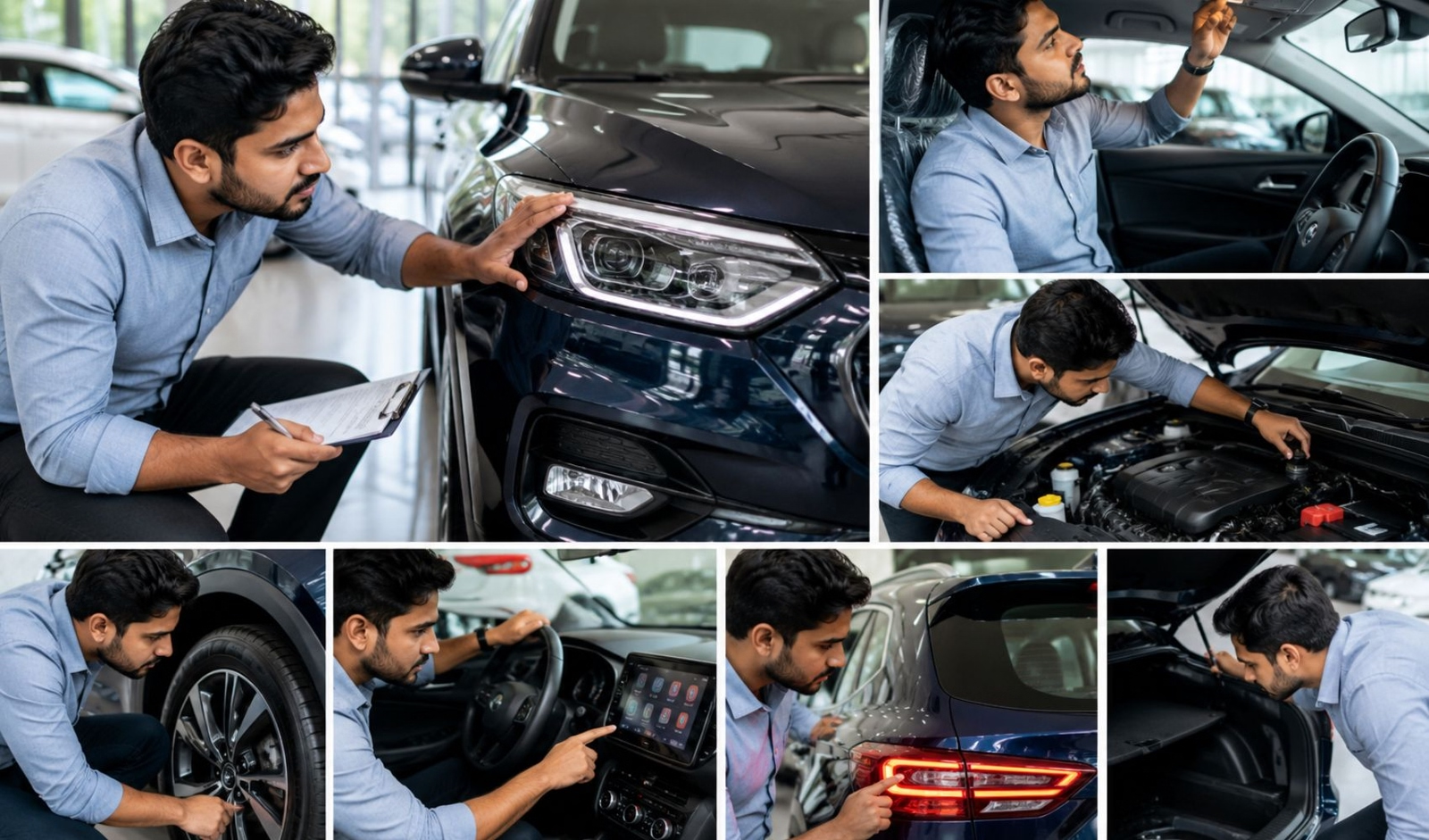
A PDI is a detailed inspection that helps you check whether the vehicle is in proper condition before it is officially handed over to you. It allows you to identify any scratches, dents, paint defects, missing accessories or mechanical issues that may have occurred during transportation or storage. Since a car often travels hundreds of kilometres before reaching the dealership, inspecting it carefully is always a smart decision.
Spending a little extra time on a proper PDI can help you avoid unnecessary problems later and ensure that the car you are taking home is truly brand new, damage-free and exactly as promised by the dealership.
What Is PDI in a Car?
PDI stands for Pre-Delivery Inspection. It is a detailed inspection of a vehicle before it is registered and handed over to the customer. This process allows buyers to verify that the vehicle is in proper condition and matches the variant they booked. During a PDI, the buyer checks various aspects of the vehicle, including the exterior, interior, tyres, engine bay, electrical features and documents.
The goal is to ensure that there are no defects, damages or missing features before taking delivery. Since the car may have travelled from the manufacturing plant to a stockyard and then to a dealership, a proper inspection becomes important. PDI helps buyers identify issues early and gives them confidence that they are receiving a brand-new vehicle in good condition.
Why Is PDI Important?
Many buyers believe that a new car will always be perfect. However, vehicles can sometimes suffer minor damage during transportation, storage or dealership handling. Small scratches, dents, paint defects or battery issues are not very common, but they can happen.
A proper PDI helps you identify such problems before the car is registered in your name. Once registration is completed, replacing the vehicle becomes much more difficult. Another benefit of PDI is that it helps confirm that all promised features and accessories are present. Spending a little extra time on inspection can prevent future inconvenience and ensure complete peace of mind.
When Should You Perform a PDI?
The ideal time to perform a PDI is before making the final payment and before the vehicle registration process begins. This gives buyers enough time to inspect the vehicle carefully and raise concerns if any issue is found.
Many experienced buyers request a PDI as soon as the allotted vehicle reaches the dealership or stockyard. This approach allows them to verify the condition of the vehicle before any paperwork is finalized. If you notice a major defect during inspection, the dealership may be able to arrange another vehicle. Therefore, conducting the inspection at the right time is extremely important.
Check the Vehicle Identification Number (VIN)
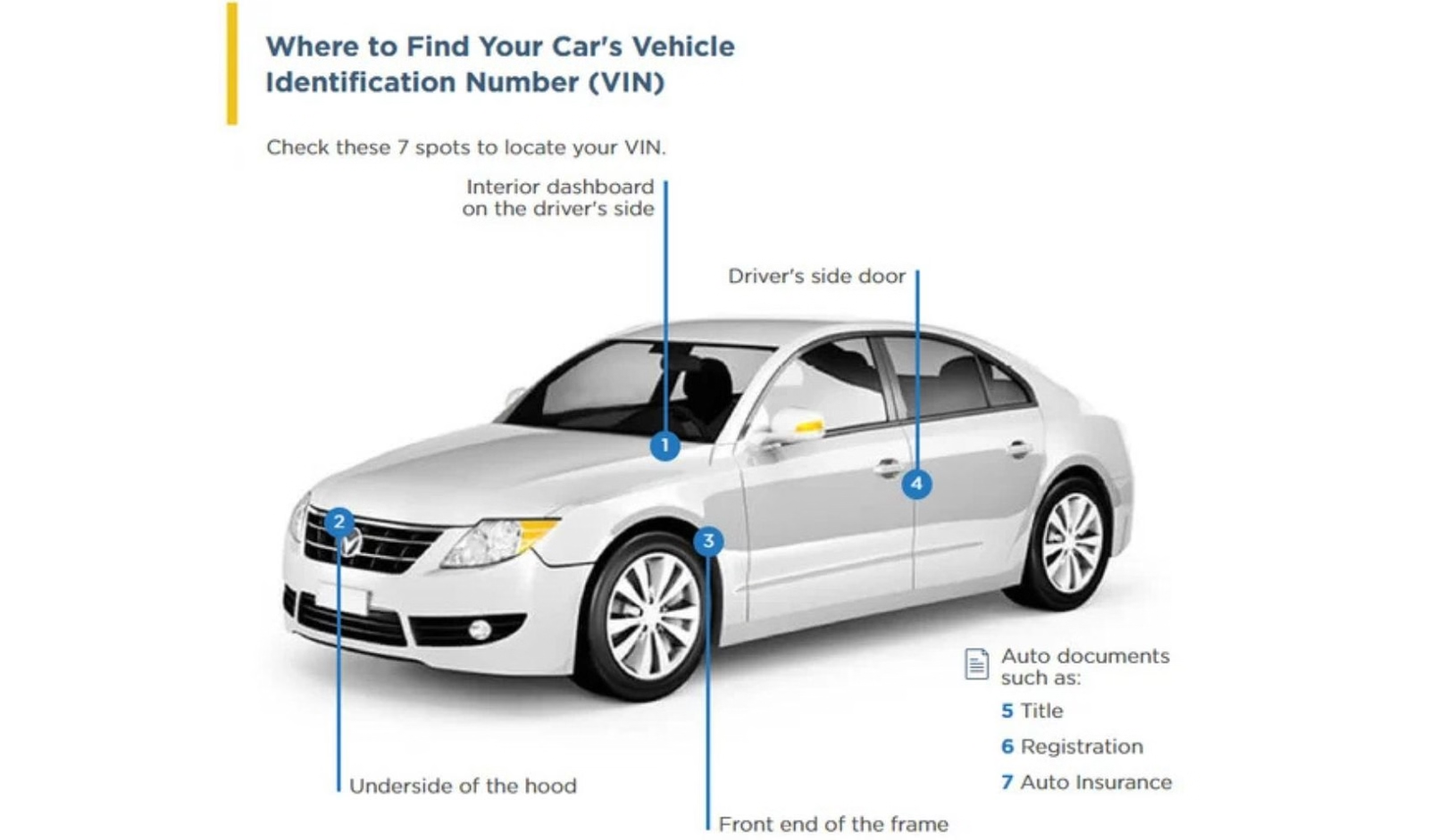
The Vehicle Identification Number, commonly known as VIN, acts like the unique identity of a vehicle. Every car has its own VIN, and no two vehicles share the same number. During the PDI process, ensure that the VIN on the vehicle matches the VIN mentioned in dealership records and related documents.
This confirms that the car being delivered is the same one allocated to you. The VIN can also help determine the manufacturing month and year of the vehicle. Buyers often use it to ensure they are not receiving a car that has been sitting in stock for an unusually long period.
Check the Tyres and Wheels
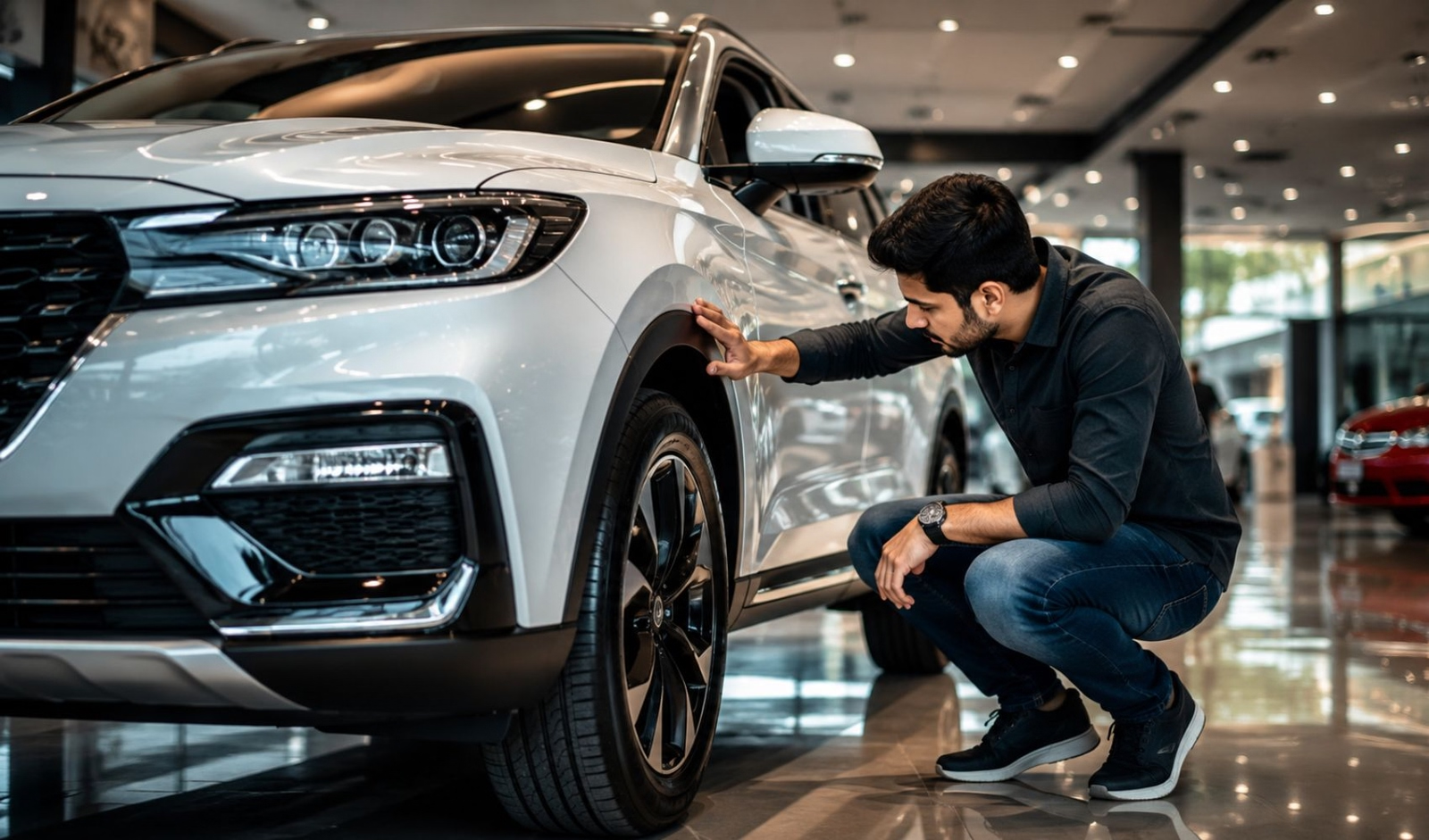
Tyres can provide useful information about the overall condition of a vehicle. Start by checking whether all tyres are from the same brand and specification as mentioned by the manufacturer. Inspect the tyre sidewalls for cuts, cracks or any signs of damage.
Also check the tyre manufacturing date because extremely old tyres may not be ideal even on a new vehicle. In addition, inspect the alloy wheels or wheel covers for scratches and dents. Do not forget to verify the presence of the spare wheel, toolkit and jack, as these are essential items supplied with most vehicles.
Check the Odometer Reading
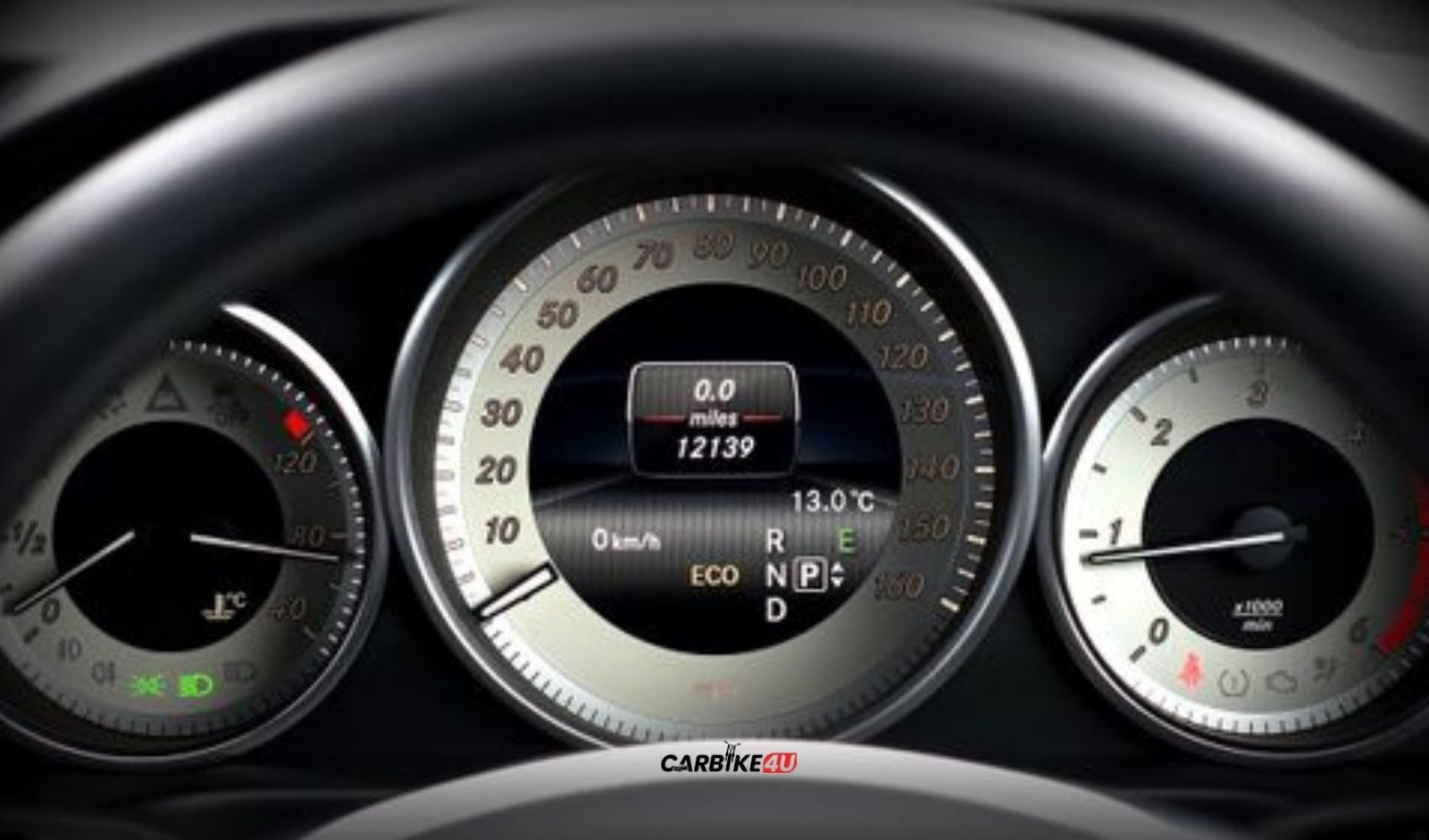
The odometer reading is another important area that buyers often overlook during a PDI. Since the vehicle is moved during transportation, stockyard handling and dealership inspections, a few kilometres on the odometer are completely normal. However, the reading should generally remain low for a brand-new vehicle. If the odometer shows an unusually high figure, ask the dealership for an explanation. A reasonable reading helps confirm that the vehicle has not been used excessively before delivery. It also provides additional confidence regarding the overall condition of the car.
Examine the Interior Properly
The interior of a new car should look clean, fresh and free from any damage. When inspecting the cabin, take your time and carefully examine every area instead of doing a quick check. Look closely at the seats, dashboard, roof lining, door pads and centre console for scratches, stains, cuts or loose fittings.
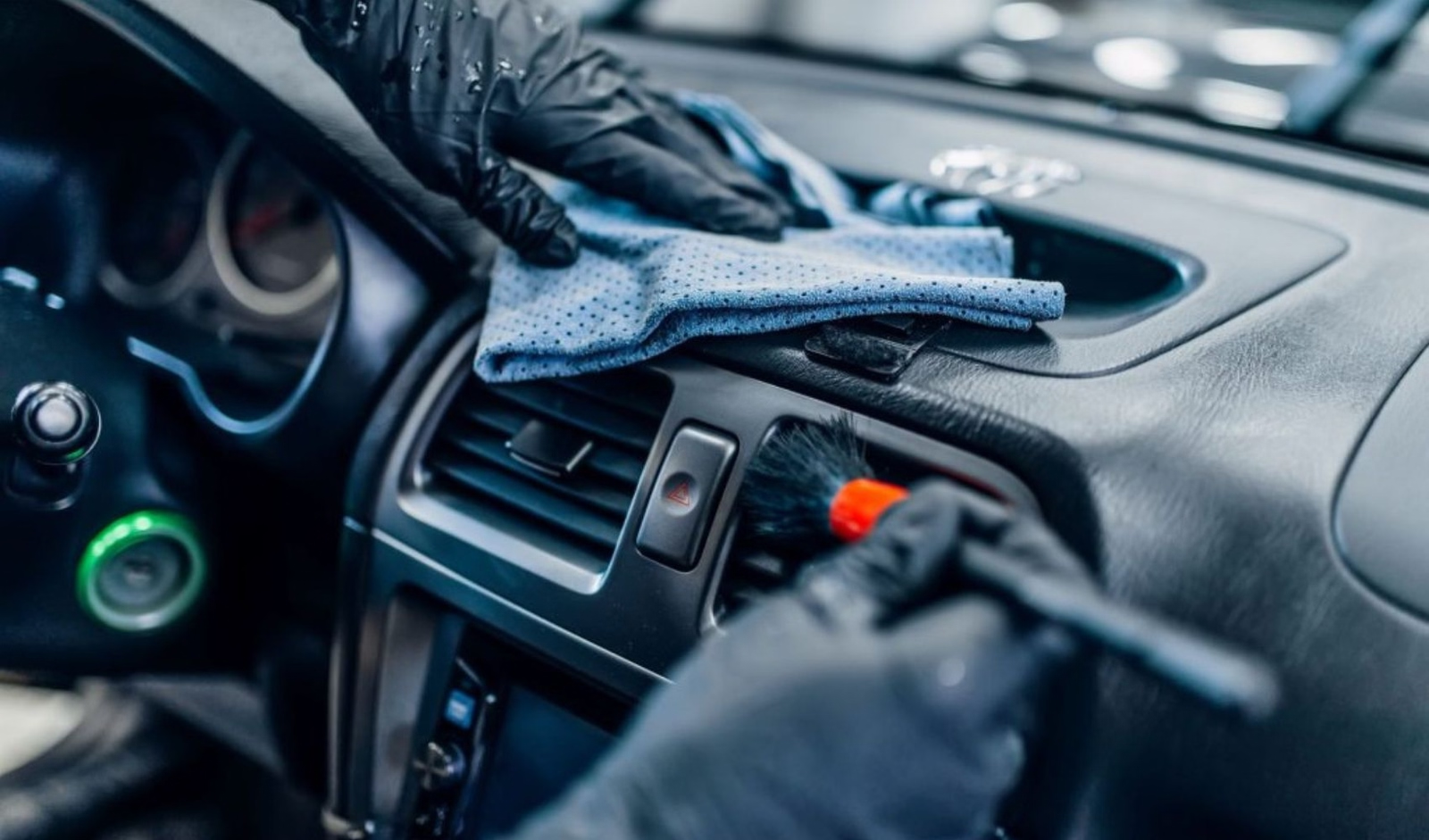
Make sure the seat adjustment mechanisms work smoothly and that all seat belts can be pulled and locked properly. Check whether the upholstery material matches the variant you booked. If your car comes with features such as rear armrests, adjustable headrests or premium seat covers, ensure everything is present and functioning correctly. Also inspect the floor carpeting and boot area for any signs of damage. A proper interior inspection helps ensure that your new car feels truly new from the moment you take delivery.
Test All Electrical Features
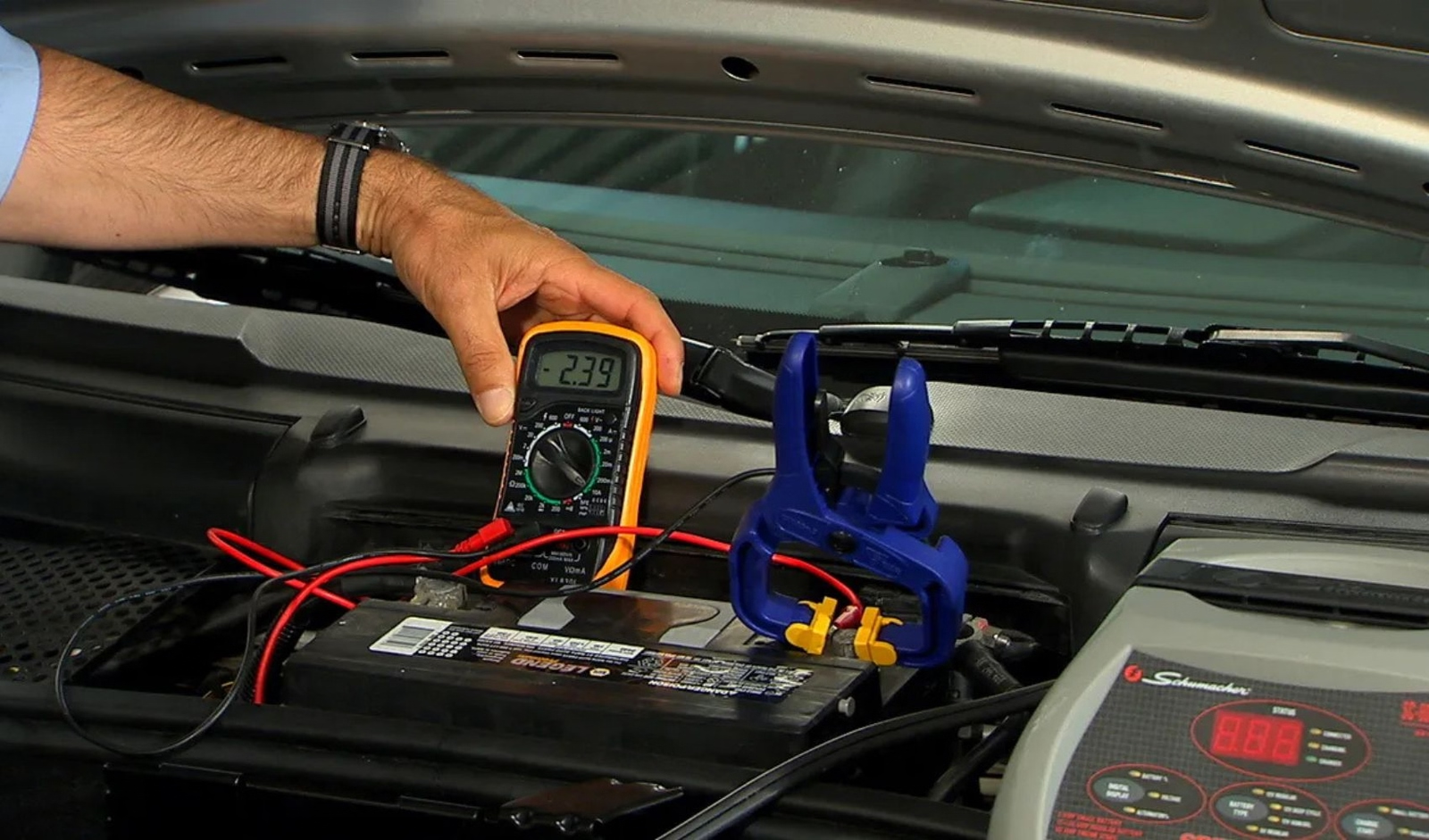
Modern cars are loaded with electronic features, making this one of the most important parts of a PDI. Even a small electrical issue can become inconvenient after delivery. Start by checking the infotainment system and ensure that the touchscreen responds properly. Test Bluetooth connectivity, speakers, navigation functions and steering-mounted controls if available.
Operate all power windows, central locking functions and electrically adjustable mirrors. If the car is equipped with features such as a sunroof, wireless charger, ventilated seats or ambient lighting, verify that they work correctly. Also check all exterior and interior lights, including headlights, fog lamps, indicators, brake lights and cabin lamps. Taking a few extra minutes to test these systems can help avoid unnecessary dealership visits later.
Start the Engine and Check for Warning Lights
Starting the engine during a PDI can reveal important information about the vehicle's condition. The engine should start smoothly without excessive vibration, unusual sounds or warning messages. Allow the engine to idle for a few minutes and listen carefully for knocking sounds or abnormal noises.
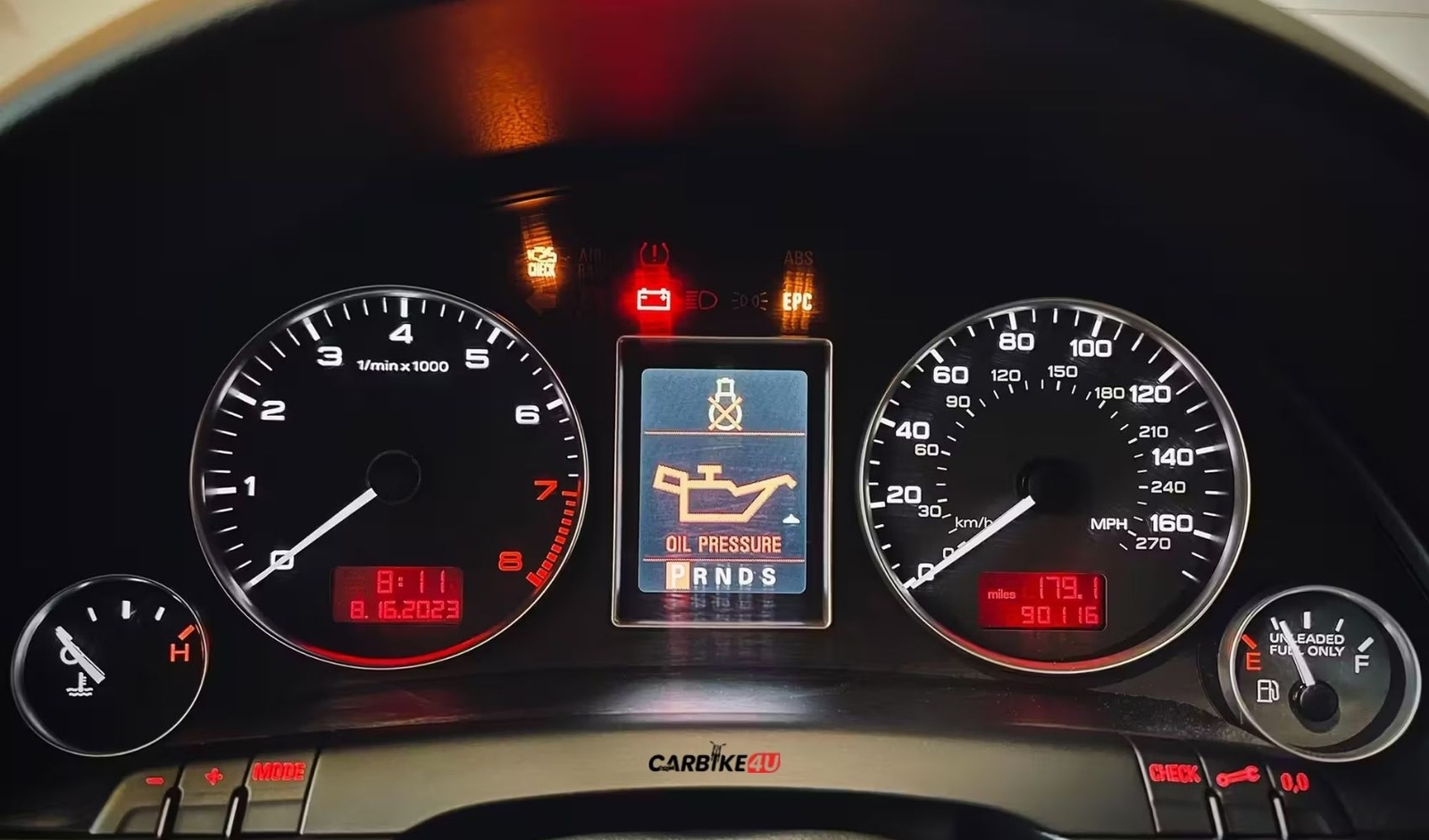
A healthy engine should run quietly and consistently. Pay attention to the instrument cluster and ensure that no warning lights remain illuminated after startup. Warning lights related to the engine, ABS, airbags or battery should never be ignored. If you notice anything unusual, ask the dealership staff to explain the issue before accepting delivery. It is always better to resolve concerns before the vehicle is registered.
Verify the Engine Bay
Many buyers overlook the engine bay during a PDI, but it is an important area to inspect. Open the bonnet and take a careful look at the overall condition of the engine compartment. Check for any visible oil leaks, coolant leaks or disconnected hoses. The wiring should appear neatly arranged without loose connections or damaged insulation.
Inspect fluid levels if they are visible and make sure the battery terminals are clean and free from corrosion. The engine bay should look clean and well-maintained with no signs of repair work. Although buyers may not understand every component under the bonnet, a general inspection can help identify obvious issues before delivery.
Make Sure All Documents Are Available
Document verification is just as important as checking the vehicle itself. Before taking delivery, ensure that all necessary paperwork has been provided by the dealership. This usually includes the sales invoice, insurance documents, warranty booklet, owner's manual and service booklet.
Carefully verify that your name and vehicle details are correctly mentioned on all documents. Cross-check the VIN and engine number with the numbers present on the vehicle. Any mismatch should be clarified immediately. Keeping all documents in order will make future processes such as servicing, insurance claims and ownership verification much easier.
Do Not Forget the Accessories
While inspecting the vehicle, many buyers focus only on the car and forget to check the accessories included with it. This can lead to inconvenience later. Verify the presence of the spare key, toolkit, jack and spare wheel. These items are important and should be delivered along with the vehicle.
If the dealership has promised additional accessories such as floor mats, mud flaps, seat covers, door visors or a rear camera, make sure they have been installed properly. Checking accessories before delivery is much easier than requesting missing items after taking the vehicle home.
Common Mistakes Buyers Make During PDI
One of the biggest mistakes buyers make is skipping the PDI entirely. Some customers assume that a new car cannot have any issues and rely solely on the dealership's inspection process. Another common mistake is inspecting the vehicle only inside the showroom. Artificial lighting can hide paint defects, scratches and dents that become visible in natural daylight.
Many buyers also rush through the inspection because they are excited about taking delivery. This often results in important details being overlooked. Taking photographs and following a checklist can help ensure that no part of the inspection is missed.
Can You Reject a Car After PDI?
Yes, buyers have the right to raise concerns if they discover major issues during the inspection process. If the vehicle shows signs of damage, manufacturing defects or quality concerns, you can request another vehicle. This is one of the main reasons why PDI should always be conducted before registration.
Once the registration process is complete, obtaining a replacement becomes much more difficult. Most dealerships are willing to address genuine concerns identified during a PDI. The key is to inspect the vehicle thoroughly and communicate any issues immediately. A careful inspection protects your investment and ensures that you receive the quality you expect from a brand-new vehicle.
Final Thoughts
A Pre-Delivery Inspection may seem like a small step, but it plays a major role in the car-buying process. Spending 30 to 60 minutes on a proper inspection can help prevent future problems and unnecessary expenses. Whether you are buying a budget hatchback, a family SUV or a premium luxury car, the importance of a thorough PDI remains the same.
It allows you to verify the vehicle's condition before completing the delivery process. By checking the exterior, interior, engine bay, tyres, electronics and documents carefully, you can drive home with complete peace of mind. A well-executed PDI ensures that the vehicle you receive is truly brand new, free from defects and ready to provide a hassle-free ownership experience.

Written by Team CarBike4U
Editorial & Research Team
CarBike4U's dedicated editorial team researches, reviews, and updates content to bring you the most accurate automotive news, pricing, comparisons, and ownership guidance.