Automotive News
LFP vs NMC Batteries: Why India's EV Industry Is Increasingly Choosing LFP in 2026
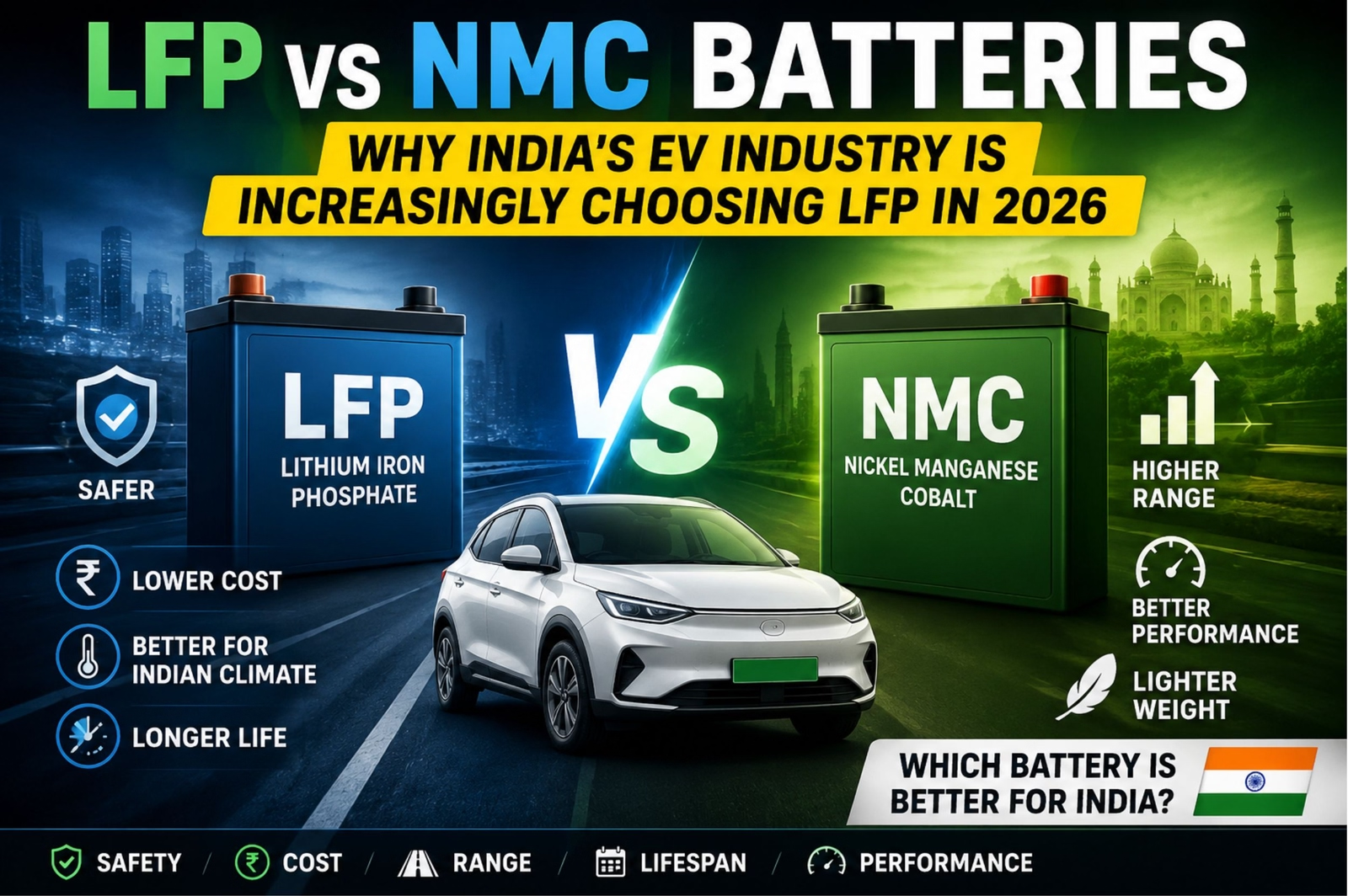
As India's electric vehicle market continues to expand, battery technology has become one of the biggest factors influencing vehicle prices, safety, range and long-term ownership costs. Two battery chemistries currently dominate the global EV industry—Lithium Iron Phosphate (LFP) and Nickel Manganese Cobalt (NMC). While both technologies have their own strengths, the debate around which one is better suited for India has become increasingly important as automakers and consumers look for safer and more affordable electric vehicles.
Global trends show that LFP batteries are rapidly gaining popularity, with the chemistry accounting for more than half of all EV batteries worldwide. Falling battery prices and improvements in performance have further accelerated the shift toward LFP-powered vehicles.
What Are LFP and NMC Batteries?
LFP batteries use lithium iron phosphate as the cathode material. They do not require expensive metals such as nickel and cobalt, making them more cost-effective and less exposed to raw material price fluctuations.
NMC batteries, on the other hand, use a combination of nickel, manganese and cobalt. This chemistry offers significantly higher energy density, allowing manufacturers to deliver longer driving ranges and better performance with relatively smaller battery packs.
LFP vs NMC Battery Comparison
Parameter | LFP Battery (Lithium Iron Phosphate) | NMC Battery (Nickel Manganese Cobalt) |
Safety | Excellent thermal stability and lower fire risk | Good safety but higher thermal runaway risk than LFP |
Energy Density | Lower | Higher |
Driving Range | Lower for the same battery size | Higher for the same battery size |
Battery Life | Longer cycle life | Shorter cycle life compared to LFP |
Cost | Generally cheaper | More expensive |
Fast Charging | Good | Good |
Performance | Suitable for daily use | Better for high-performance EVs |
Weight | Heavier for equivalent capacity | Lighter for equivalent capacity |
High-Temperature Performance | Better suited for hot climates | Requires more thermal management |
Common Usage | Mass-market EVs, buses and fleets | Premium and long-range EVs |
Why LFP Batteries Are Gaining Popularity in India
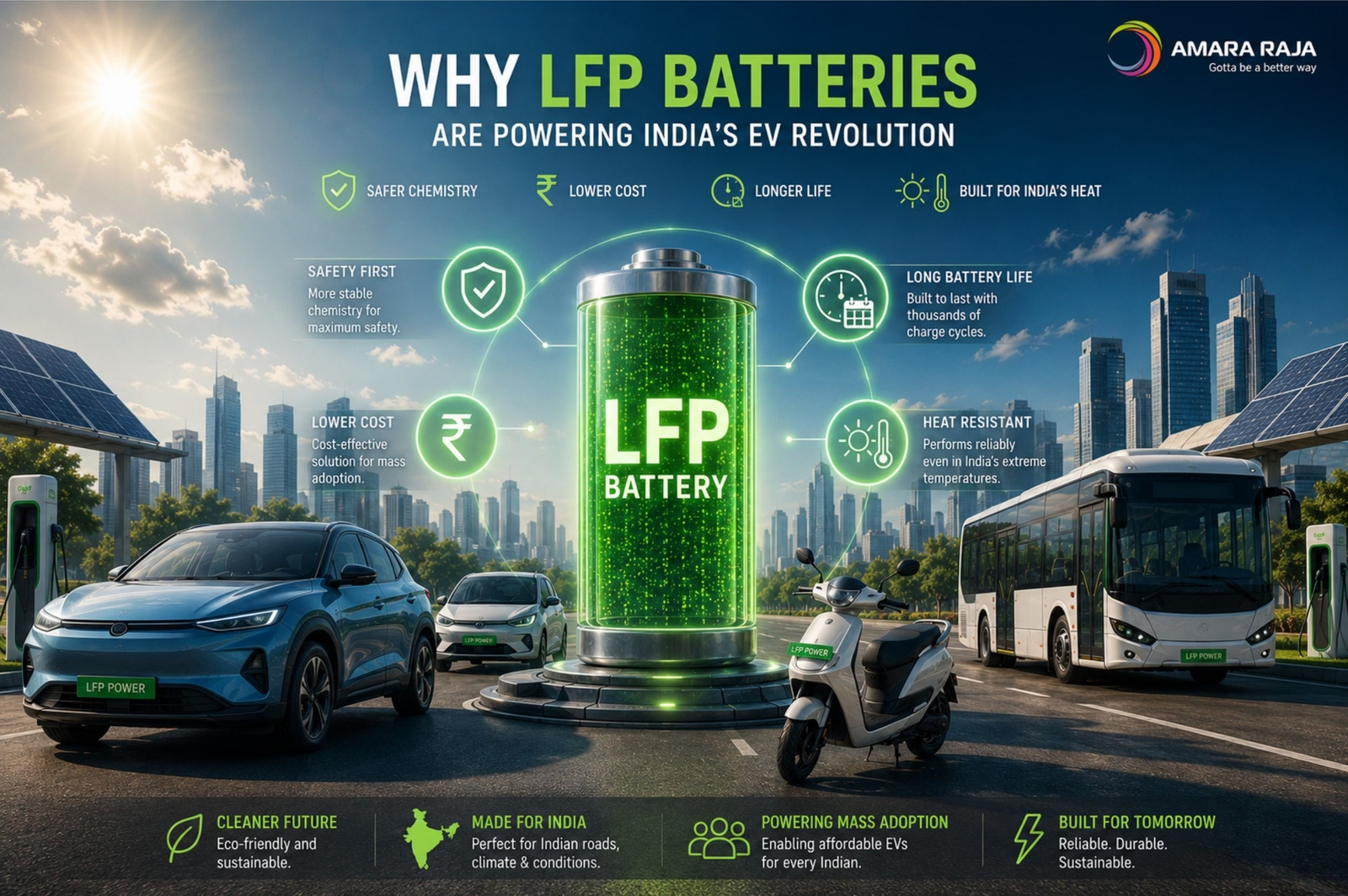
One of the biggest advantages of LFP batteries is safety. The chemistry offers excellent thermal stability and is less susceptible to thermal runaway, significantly reducing the risk of battery fires. This makes LFP particularly suitable for countries like India, where summer temperatures can be extremely high.
LFP batteries also have a longer lifespan, with many packs capable of delivering thousands of charge cycles before significant degradation occurs. This makes them highly attractive for commercial vehicles, electric buses, fleet operators and daily commuters who need dependable long-term performance.
Another important factor is cost. Global battery prices have declined sharply, and LFP batteries have become considerably cheaper than NMC alternatives, helping manufacturers develop more affordable electric vehicles.
Why NMC Batteries Still Matter
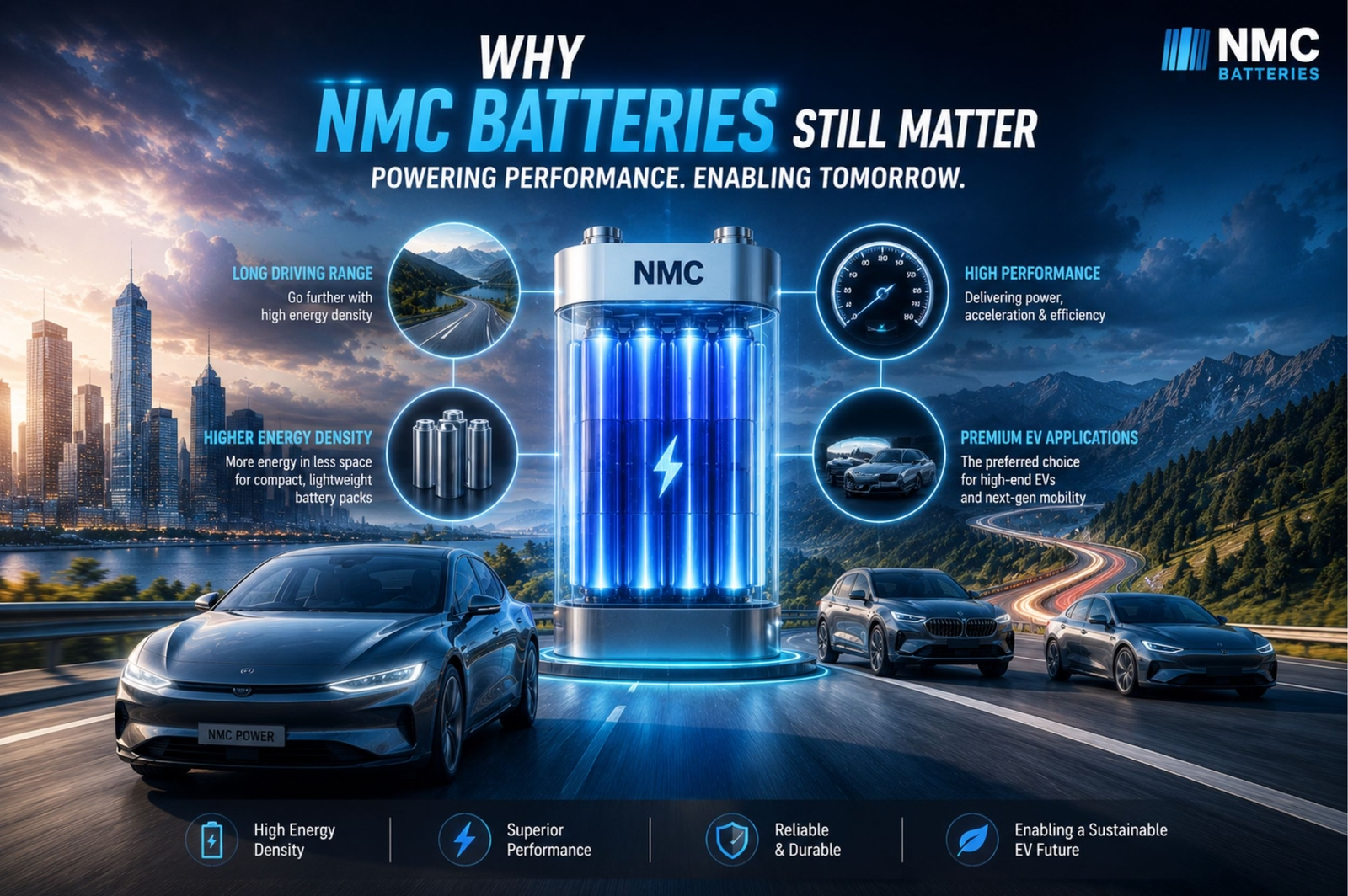
Despite the growing popularity of LFP technology, NMC batteries remain essential for premium and long-range EVs.
The higher energy density of NMC batteries allows automakers to offer longer driving ranges without substantially increasing battery size or weight. This makes NMC chemistry particularly suitable for performance-oriented electric cars and premium electric SUVs.
Many global automakers continue to use NMC batteries in their high-end models because customers in these segments prioritise range and performance over absolute affordability.
Which Battery Is Better for Indian Buyers?
There is no universal winner in the LFP versus NMC debate.
For India's operating conditions, including high temperatures, heavy daily usage and cost-sensitive consumers, LFP batteries are increasingly emerging as the more practical solution. Their lower cost, improved safety and longer lifespan make them ideal for mass-market EVs and commercial applications.
However, NMC batteries remain the preferred choice for buyers seeking maximum driving range and stronger performance from their electric vehicles. Premium EVs and long-distance applications are expected to continue relying heavily on NMC chemistry.
Which Battery Is Best for Different Users?
User Type | Recommended Battery |
Daily City Commuter | LFP |
Fleet Operator | LFP |
Electric Bus Operator | LFP |
Budget EV Buyer | LFP |
Long-Distance Highway User | NMC |
Premium EV Buyer | NMC |
Performance-Oriented Driver | NMC |
The Future of EV Batteries
The battery industry is evolving rapidly, with companies investing in newer technologies such as lithium manganese-rich (LMR), sodium-ion and solid-state batteries. While LFP and NMC will continue to dominate the EV market for the foreseeable future, emerging chemistries could reshape the industry in the coming years.
Conclusion
As India's EV market matures, battery chemistry is becoming a critical factor in both vehicle development and consumer purchasing decisions. LFP batteries are increasingly being viewed as the ideal choice for affordability, safety and durability, especially in India's climatic conditions. Meanwhile, NMC batteries continue to offer advantages in range and performance for premium electric vehicles.
Rather than one technology replacing the other, experts believe both chemistries will coexist, with manufacturers choosing the most suitable battery depending on vehicle type, price segment and intended use.

Written by Team CarBike4U
Editorial & Research Team
CarBike4U's dedicated editorial team researches, reviews, and updates content to bring you the most accurate automotive news, pricing, comparisons, and ownership guidance.