Automotive News
Hybrid Cars vs Electric Cars – Which One Should You Buy In India?
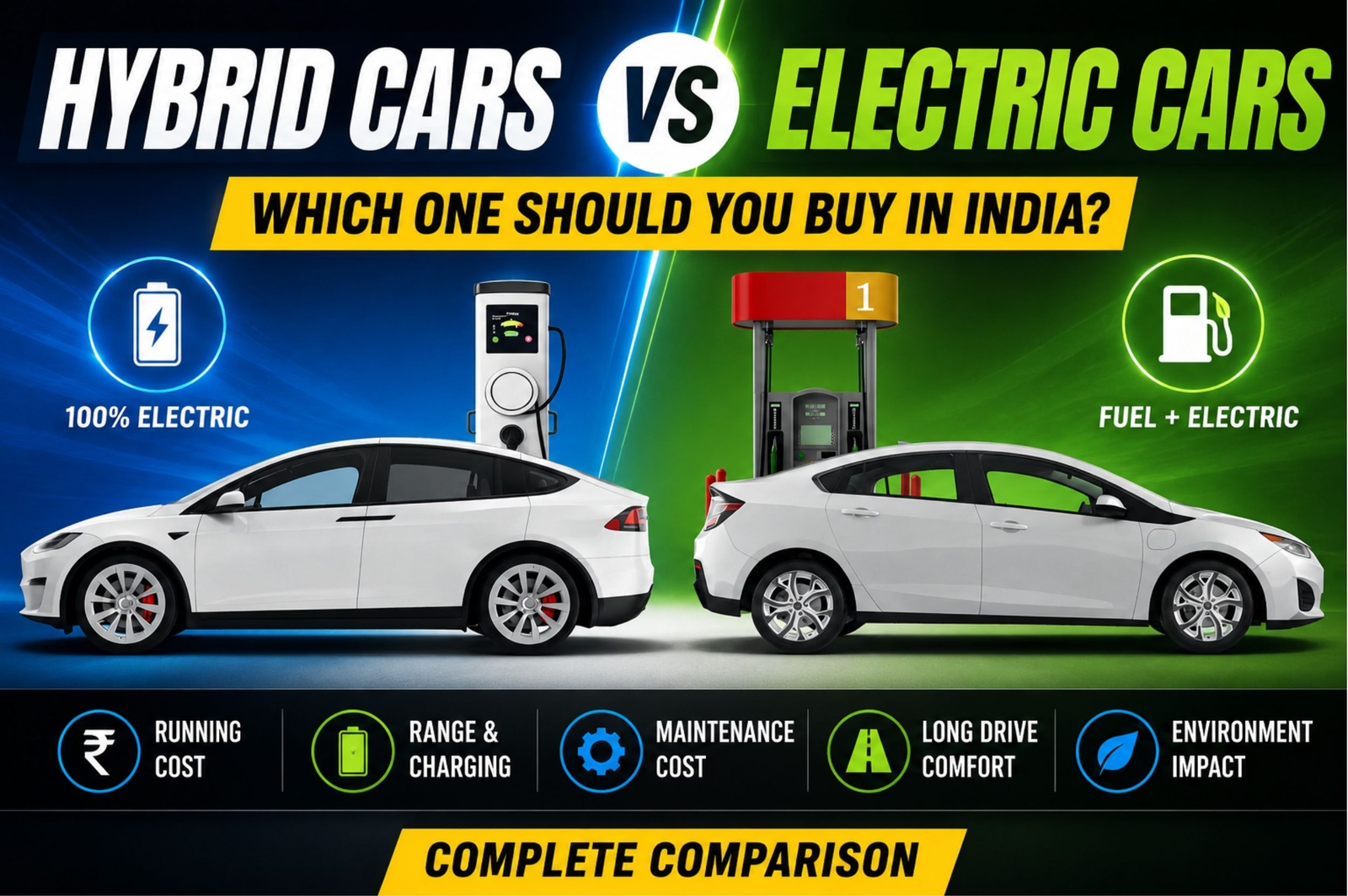
The Indian automobile industry is rapidly moving towards cleaner and more fuel-efficient mobility solutions. With rising fuel prices and growing awareness about the environment, many buyers are now considering hybrid and electric vehicles instead of traditional petrol or diesel cars.
However, choosing between a hybrid car and an electric car can still be confusing for many people. Both technologies offer lower running costs and improved efficiency, but they work differently and suit different types of users.
Here’s a detailed comparison to help Indian buyers understand which option makes more sense in 2026.
Hybrid cars use both petrol engine and electric motor
Electric cars run completely on battery power
EVs offer lower running costs
Hybrid cars are more convenient for long-distance travel
Charging infrastructure remains a major factor for EV buyers
What Is A Hybrid Car?
A hybrid car uses a combination of a petrol engine and an electric motor. The system automatically switches between fuel and electric power depending on driving conditions.
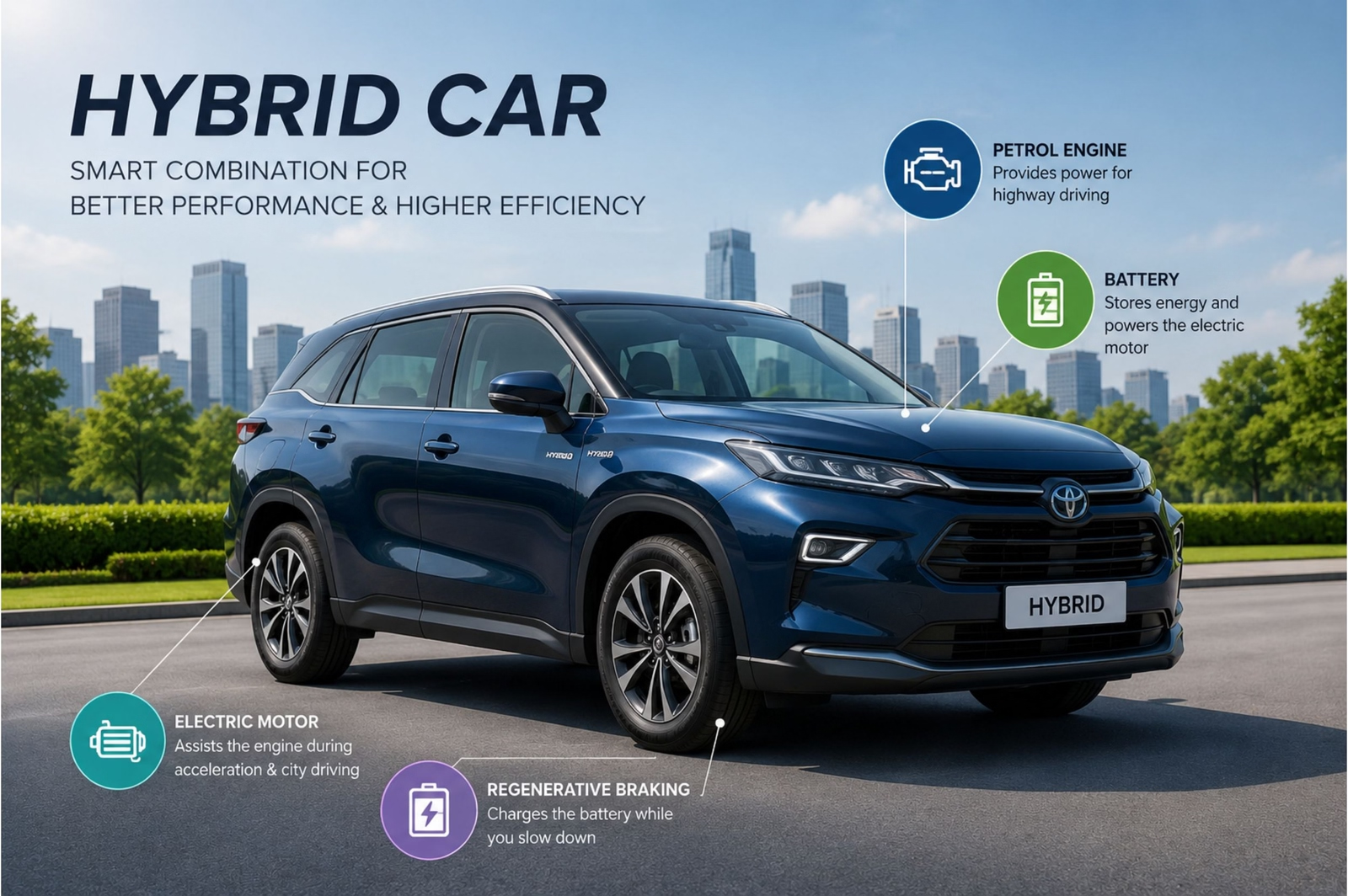
Unlike electric cars, hybrid vehicles do not require external charging. The battery charges automatically through regenerative braking and the petrol engine itself.
Hybrid cars are mainly designed to improve fuel efficiency and reduce emissions without changing the overall driving experience.
Popular hybrid cars in India include:
Toyota Innova Hycross Hybrid
Maruti Suzuki Grand Vitara Hybrid
Honda City e:HEV
Toyota Urban Cruiser Hyryder Hybrid
What Is An Electric Car?
An electric vehicle, also known as an EV, runs entirely on battery power and does not use a petrol or diesel engine. EVs need to be charged using home chargers or public charging stations.
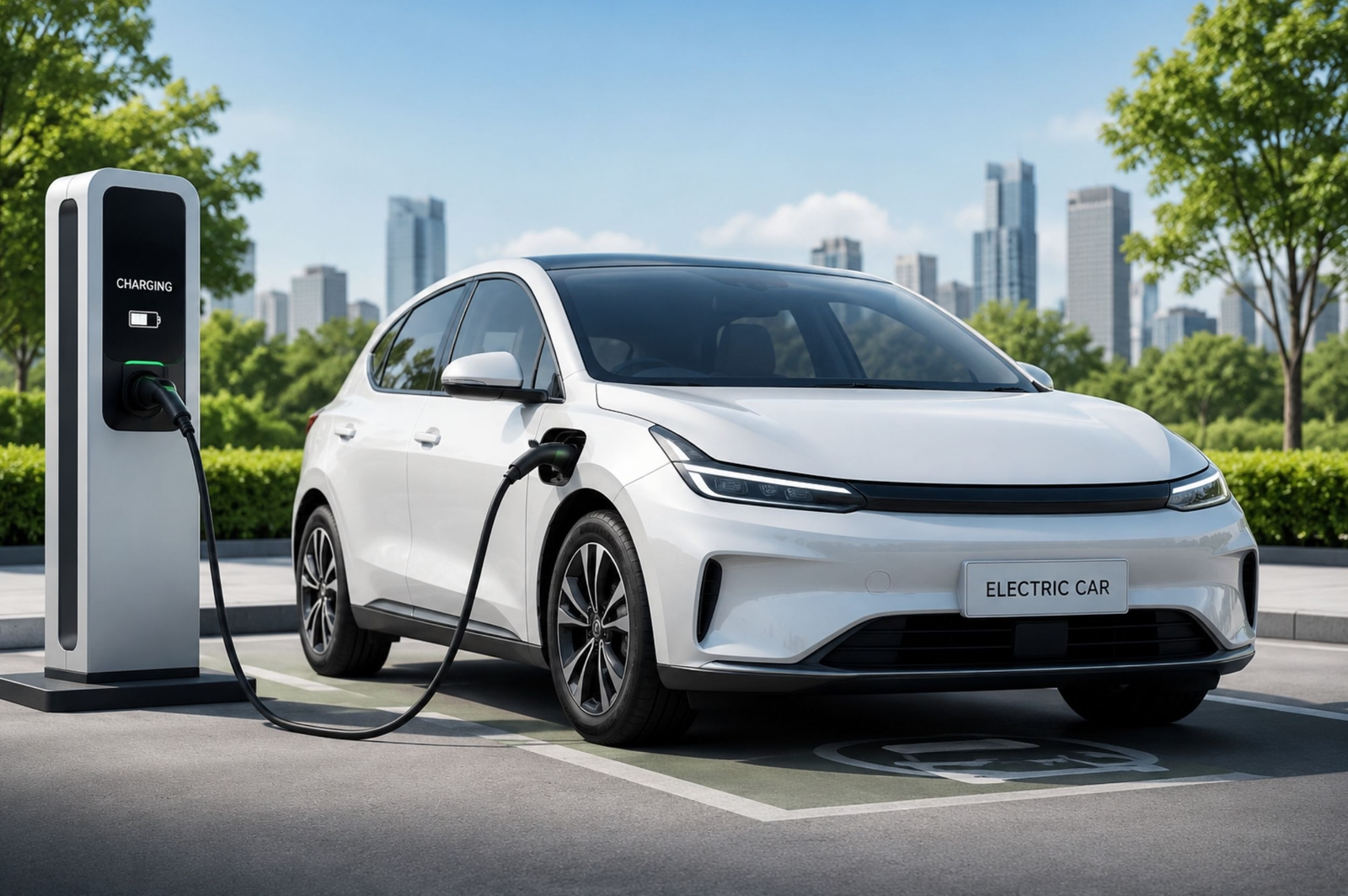
Electric cars are becoming increasingly popular because of their low running costs and silent driving experience.
Popular electric cars in India include:
Tata Nexon EV
MG ZS EV
Mahindra XUV400
Tata Punch EV
BYD Atto 3
Electric vehicles also produce zero tailpipe emissions, making them cleaner for the environment.
Hybrid Cars vs Electric Cars – Key Differences
Feature | Hybrid Cars | Electric Cars |
|---|---|---|
Power Source | Petrol + Electric Motor | Fully Electric |
External Charging | Not Required | Required |
Running Cost | Lower than petrol cars | Lowest |
Long-Distance Travel | More convenient | Charging planning needed |
Fuel Efficiency | Very high | No fuel required |
Emissions | Lower emissions | Zero tailpipe emissions |
Maintenance | Moderate | Lower |
Infrastructure | Petrol stations available everywhere | Charging network still growing |
Running Cost Comparison
One of the biggest advantages of electric cars is their low running cost. Charging an EV is usually much cheaper than refueling a petrol vehicle.
Hybrid cars also help reduce fuel expenses, especially in city traffic where the electric motor assists more frequently. However, hybrids still depend on petrol, which means fuel costs remain part of ownership. For daily city usage, EVs generally offer the lowest cost per kilometre.
Charging And Convenience
Charging convenience is currently one of the biggest differences between hybrid and electric cars.
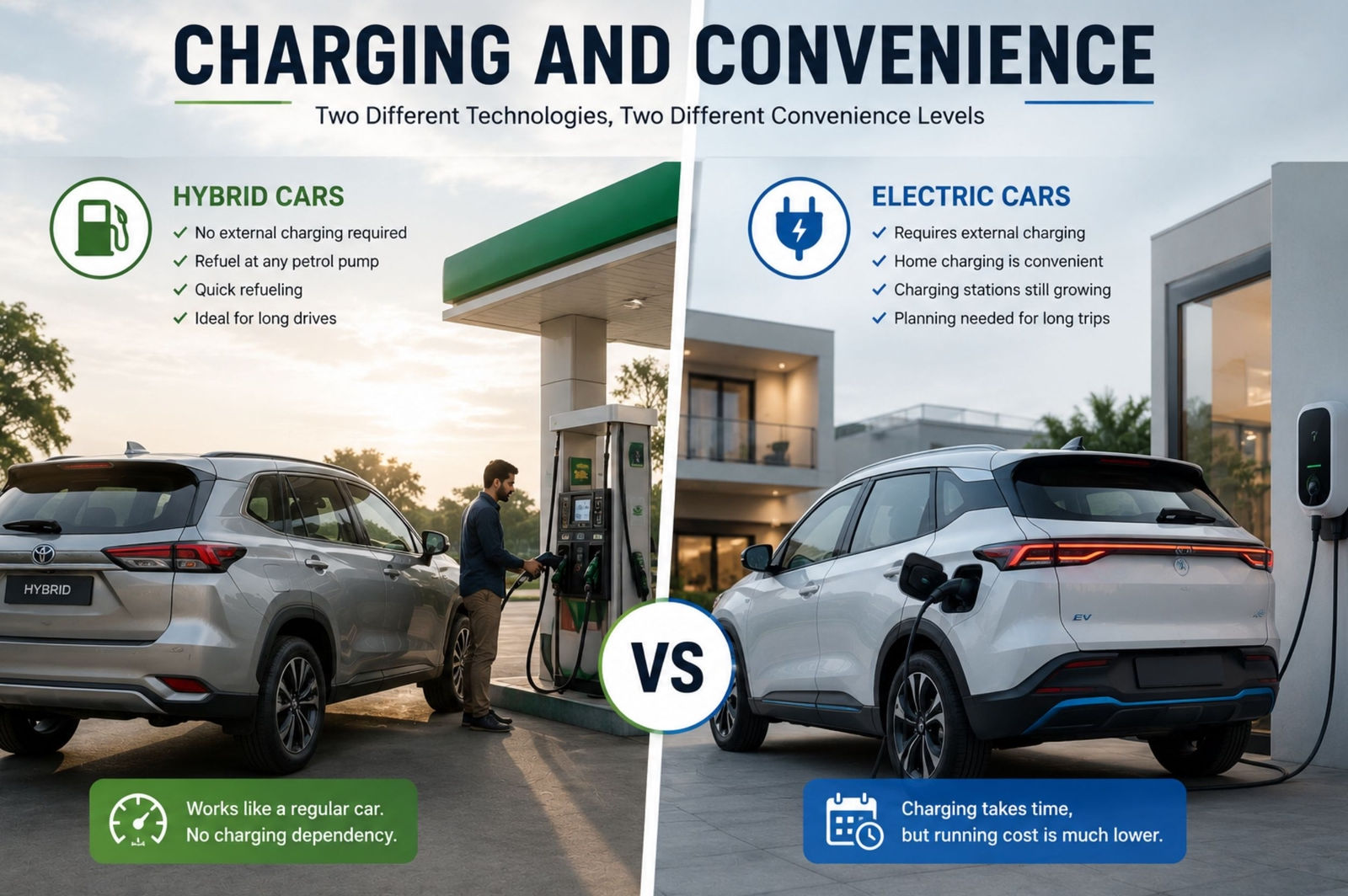
Hybrid vehicles work like regular petrol cars and do not require charging infrastructure. Owners can simply refuel at petrol stations, making them more practical for long highway journeys.
Electric cars, on the other hand, require charging support. While home charging is convenient for many users, long-distance travel may still require proper route planning depending on charging station availability.
Range anxiety also remains a concern for some EV buyers in India.
Mileage And Efficiency
Hybrid cars are known for offering excellent fuel efficiency, especially in city traffic conditions. Regenerative braking and electric motor support help improve mileage significantly.
Electric vehicles are even more efficient because they consume electricity instead of fuel. EV owners can experience substantial savings in running costs compared to traditional fuel-powered cars.
However, EV driving range still depends heavily on battery size and driving conditions.
Maintenance Cost Comparison
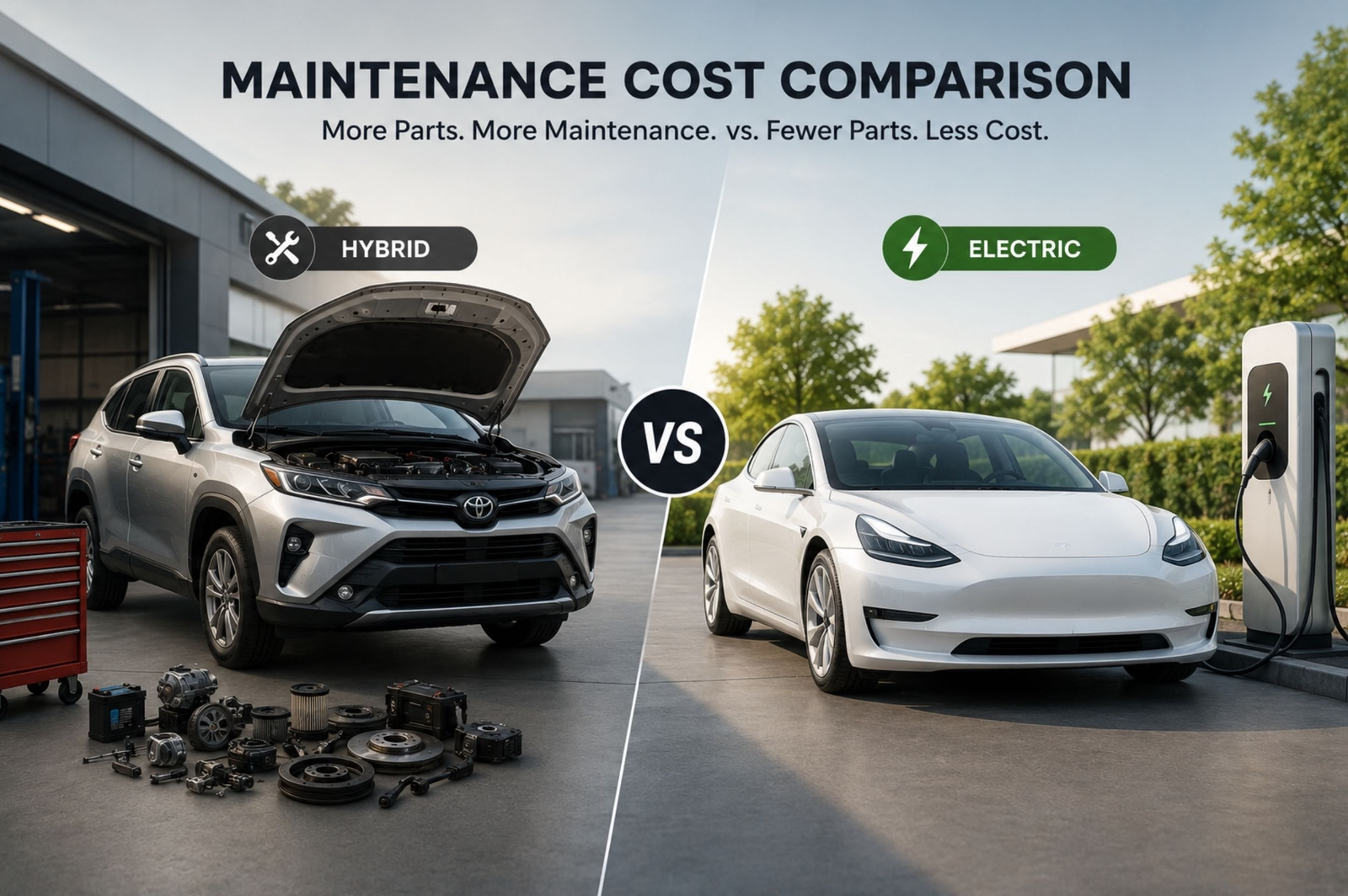
Electric cars generally have lower maintenance costs because they have fewer moving parts compared to petrol or hybrid vehicles.
There are no engine oil changes, clutch replacements or traditional gearbox maintenance in EVs. This reduces long-term servicing expenses.
Hybrid cars still require engine servicing because they continue to use petrol engines along with electric systems.
However, both technologies involve advanced battery systems, and battery replacement costs can be expensive after several years.
Which Is Better For City Driving?
Electric cars are highly suitable for city usage because of their smooth acceleration, silent cabin and low running costs.
Daily commuters with access to home charging can benefit greatly from EV ownership.
Hybrid cars also perform very well in urban traffic by using electric assistance at low speeds. They are especially useful for buyers who want better mileage without worrying about charging stations.
Which Is Better For Highway Driving?
For long-distance highway travel, hybrid cars currently offer better convenience in India.
Since hybrid vehicles do not rely completely on charging infrastructure, they can travel longer distances without charging delays. Refueling is quick and easily available across the country.
Electric cars are improving rapidly, but highway travel still requires charging planning in many regions.
Environmental Impact
Both hybrid and electric cars are considered cleaner alternatives compared to traditional petrol and diesel vehicles.
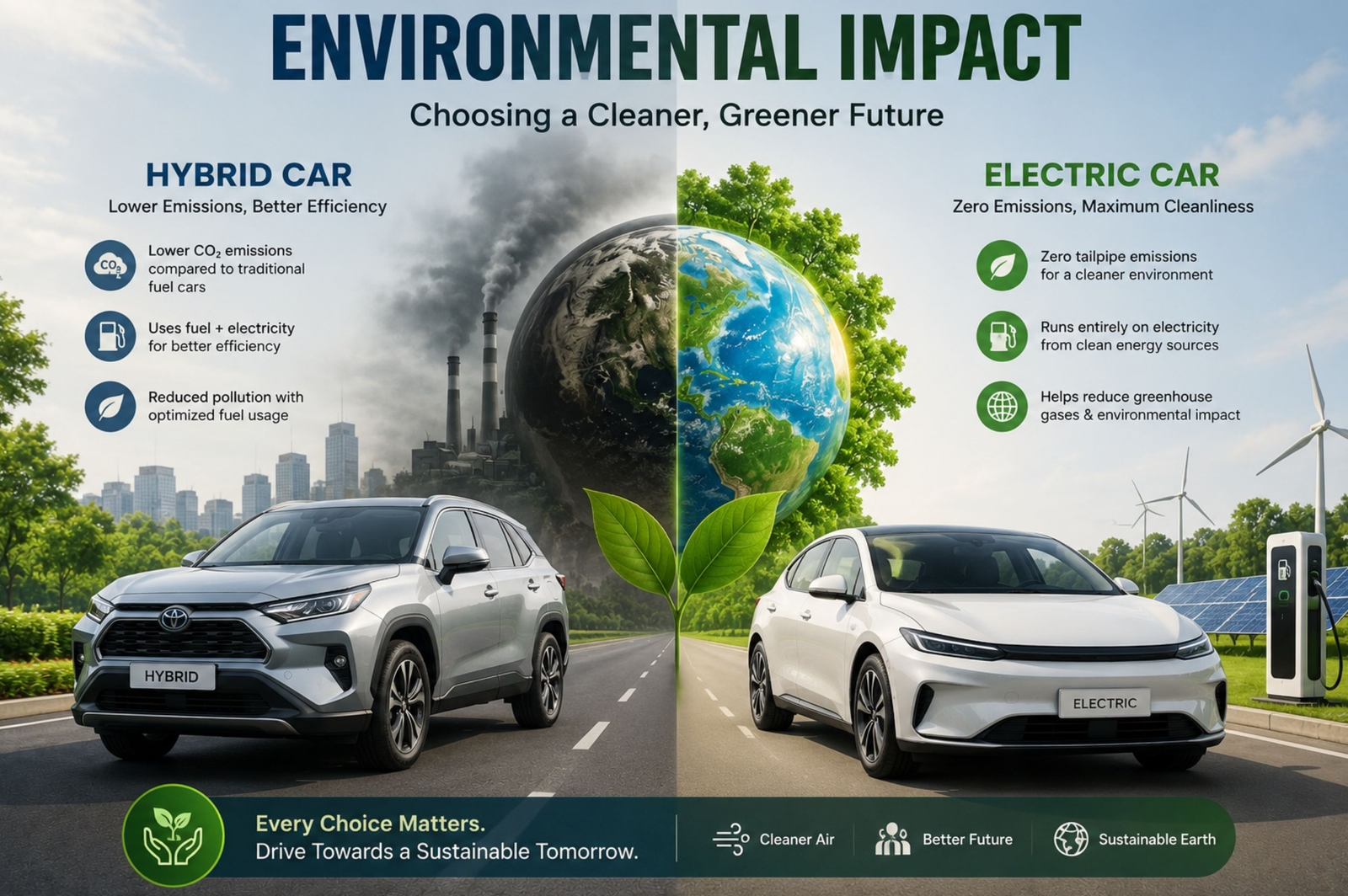
Hybrid cars reduce fuel consumption and lower emissions by combining petrol and electric power.
Electric vehicles produce zero tailpipe emissions, making them more environmentally friendly during daily usage. However, battery manufacturing and electricity production also play an important role in the overall environmental impact of EVs.
Problems With Electric Cars In India
Despite growing popularity, EVs still face some challenges in India.
Major concerns include:
Limited charging infrastructure in some areas
Long charging time compared to refueling
Higher initial purchase price
Battery replacement cost concerns
Reduced range during extreme weather conditions
However, charging networks are expanding rapidly across major cities and highways.
Problems With Hybrid Cars
Hybrid cars also come with a few disadvantages.
Some common concerns include:
Higher price compared to regular petrol cars
Still dependent on petrol fuel
More complex powertrain system
Lower fuel savings compared to EVs
In some cases, hybrid technology can also increase vehicle weight because of dual power systems.
Which One Should You Buy In India?
The right choice depends mainly on your driving needs and usage pattern.
You should consider an electric car if:
You mainly drive inside cities
You have access to home charging
You want the lowest running cost
You prefer cleaner mobility solutions
A hybrid car may be a better option if:
You frequently travel long distances
You do not want charging dependency
You want better fuel efficiency without changing driving habits
You need a more practical all-rounder vehicle
Final Verdict
Hybrid and electric vehicles are both important parts of India’s future mobility plans. Electric cars currently offer lower running costs and cleaner driving experience, while hybrid vehicles provide better convenience for buyers who are not ready to fully switch to EVs.
As charging infrastructure improves and technology becomes more affordable, both hybrid and electric cars are expected to become more popular in the Indian automobile market.
For now, the best option depends on your daily driving needs, travel habits and long-term ownership plans.

Written by Team CarBike4U
Editorial & Research Team
CarBike4U's dedicated editorial team researches, reviews, and updates content to bring you the most accurate automotive news, pricing, comparisons, and ownership guidance.